
As intelligent manufacturing flourishes, precision transmission components have become key to the efficient operation of equipment. Precision ground ball screws, distinguished by their robust performance, serve as indispensable core components for intelligent manufacturing machinery.
1. What is a Precision Ground Ball Screw?
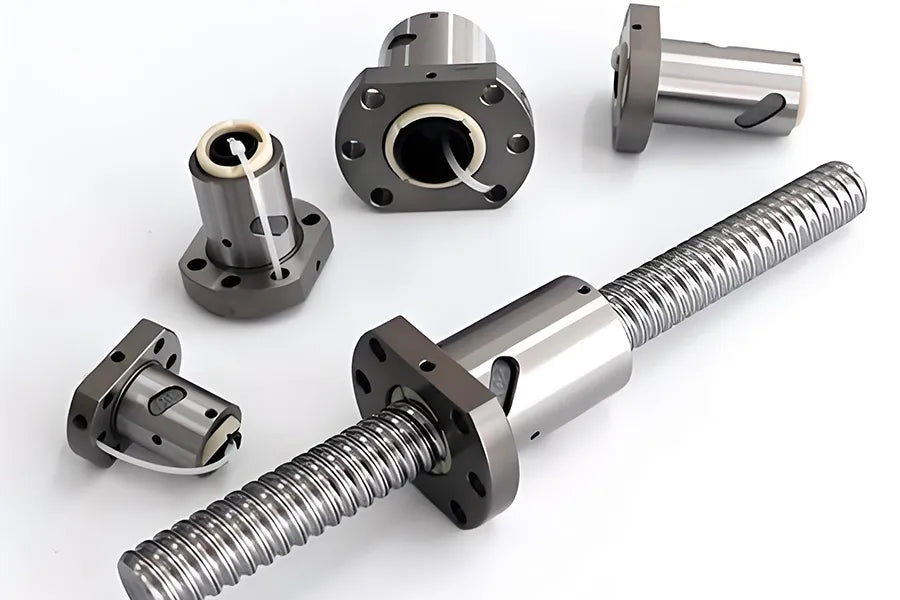
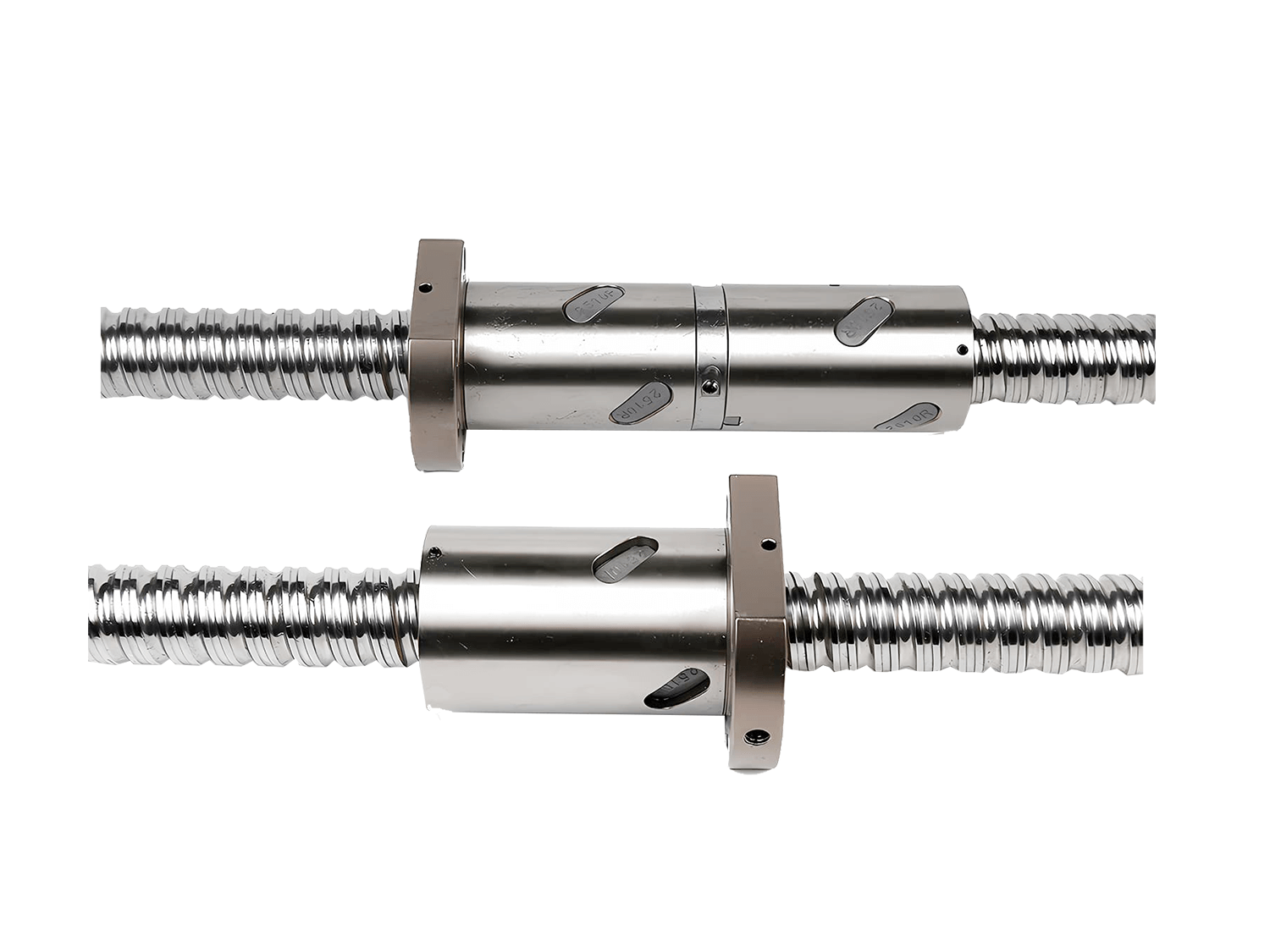
The ground ball screw assembly is a core component for precision transmission; manufactured using high-precision grinding processes, it is designed to provide linear motion for equipment.
Core Manufacturing Process
Ground ball screws are precision-finished on CNC thread grinding machines following heat treatment. They feature high precision and smooth surface finishes, with errors controlled at the micron level.
2. Ball Screw Grades and Precision
Ball screws are categorized into seven grades—C0, C1, C2, C3, C5, C7, and C10—based on manufacturing processes; a lower number indicates a higher grade. Grades C3, C5, C7, and C10 are the most commonly used in the automation industry.
See the table below for grade precision specifications (cumulative lead error over a 300mm stroke).
| Accuracy Class | 300mm Cumulative Lead Error | Repeatability (Preload Zero Backlash) | Machining Type |
| C0 | ≤0.003 | ±0.001 | Ultra-precision grinding |
| C1 | ≤0.005 | ±0.001~±0.002 | Ultra-precision grinding |
| C2 | ≤0.008 | ±0.002~±0.003 | Precision grinding |
| C3 | ≤0.012 | ±0.002~±0.003 | Precision grinding (machine tool main spindles) |
| C5 | ≤0.023 | ±0.004~±0.006 | Grinding grade (mainstream for automation) |
| C7 | ≤0.050 | ±0.008~±0.012 | Rolled grade (general-purpose equipment) |
| C10 | ≤0.150 | ±0.020~±0.030 | Rolled standard grade (conveyor mechanisms) |
3. Key Advantages of Precision Ground Ball Screws
3.1 Precision Positioning
Utilizing high-precision grinding processes, these screws feature minimal thread dimensional errors and excellent repeatability. They enable precise execution of tasks such as precision machining and point-to-point control, ensuring high product quality.
3.2 Smooth Transmission
The rolling friction mechanism offers low transmission resistance, ensuring smooth, quiet operation and rapid response during start-stop cycles. This makes them suitable for high-frequency reciprocating equipment and meets the high-efficiency production demands of automated lines.
3.3 Robust Durability
Materials undergo strengthening treatments to provide high rigidity and resistance to wear and deformation. They can withstand various standard loads and offer a long service life, effectively reducing equipment failures and maintenance frequency.
4. Typical Applications
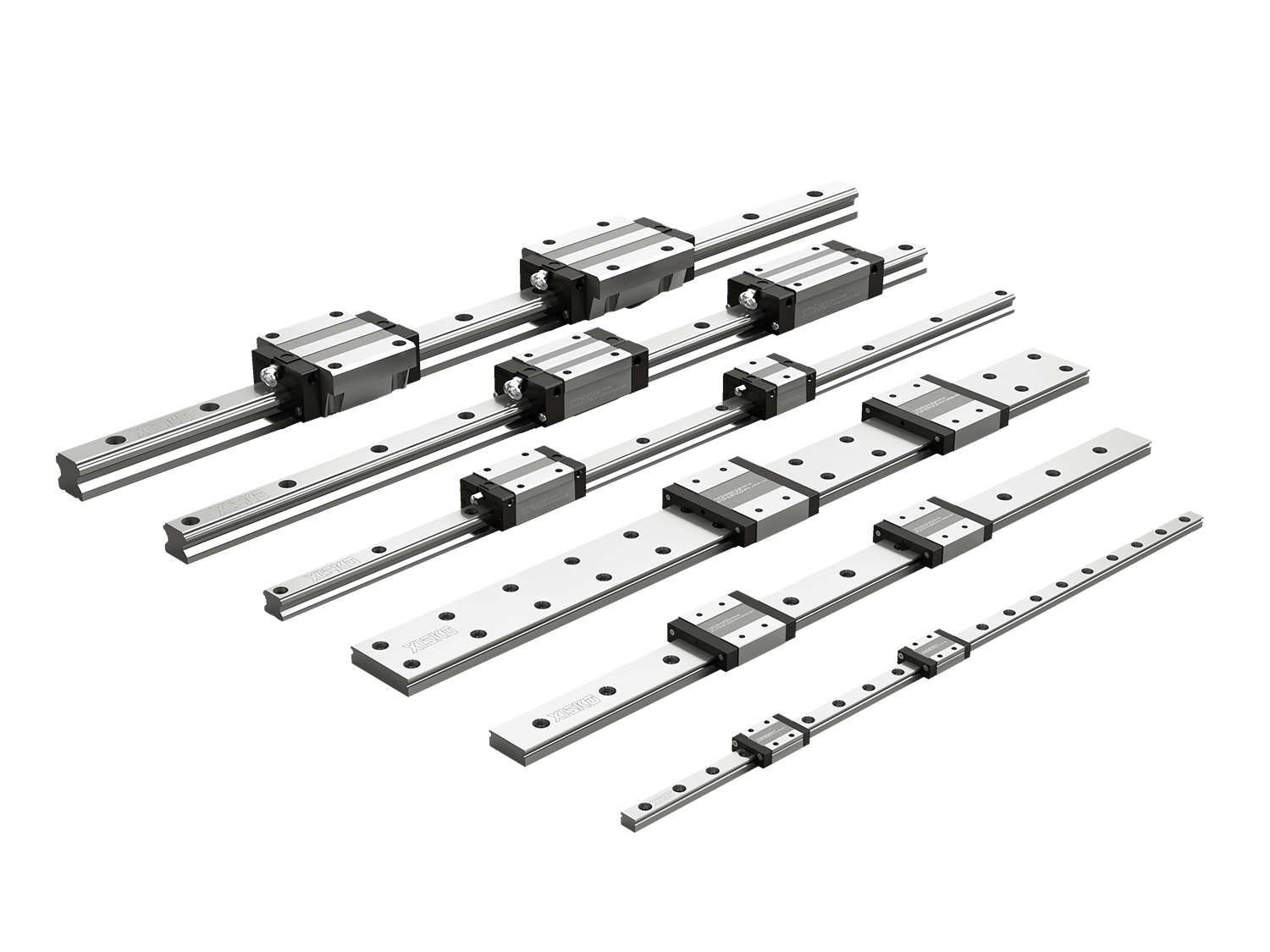
- Automated Slide Units: Utilize a guide rail and slider block configuration; the screw and motor provide the drive force, while the rail and slider assembly supports higher loads.
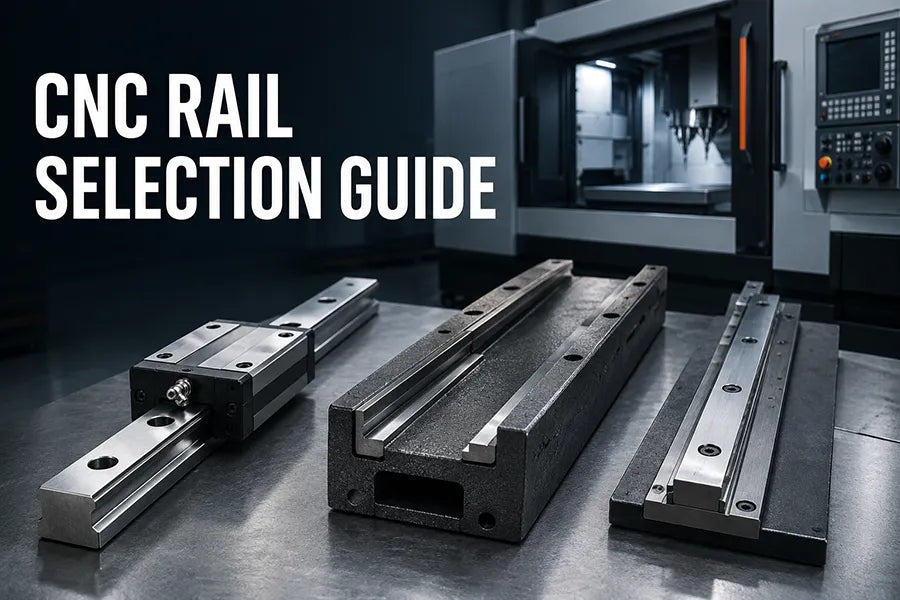
- CNC Machine Tools: Facilitate precise movement of worktables (e.g., X, Y, and Z axes) and the positioning of tool spindles.
- Z-Axis Lifting Platforms: Convert motor rotation into stable vertical (up-and-down) movement via a transmission mechanism.
- Lifting Mechanism: A larger precision ground ball screw diameter allows for a longer stroke; however, it is best to keep the stroke within 1,500 mm. The Z-axis configuration is commonly used for lifting mechanisms.
Summary
Precision ground ball screw assemblies combine high precision, high efficiency, and high stability, serving as the "transmission heart" of the equipment.