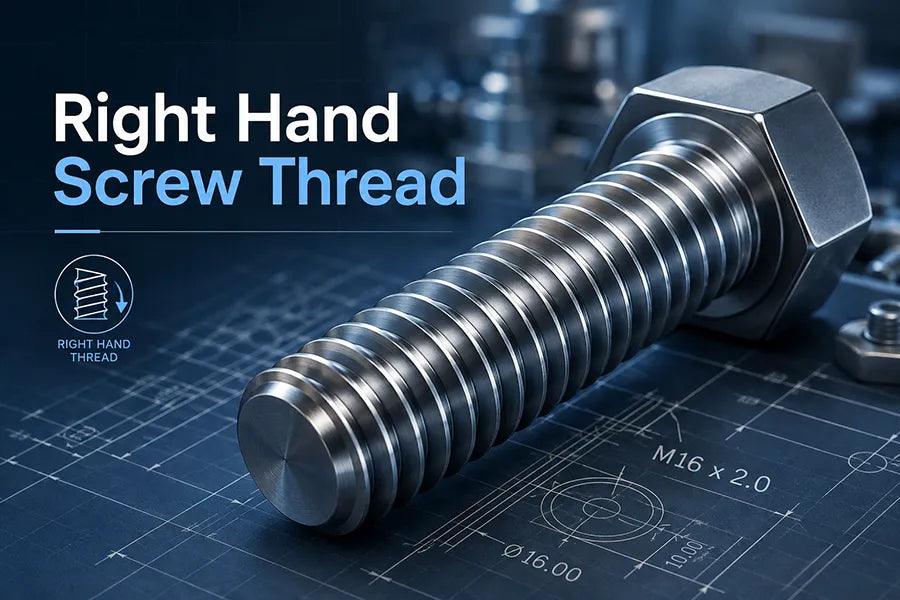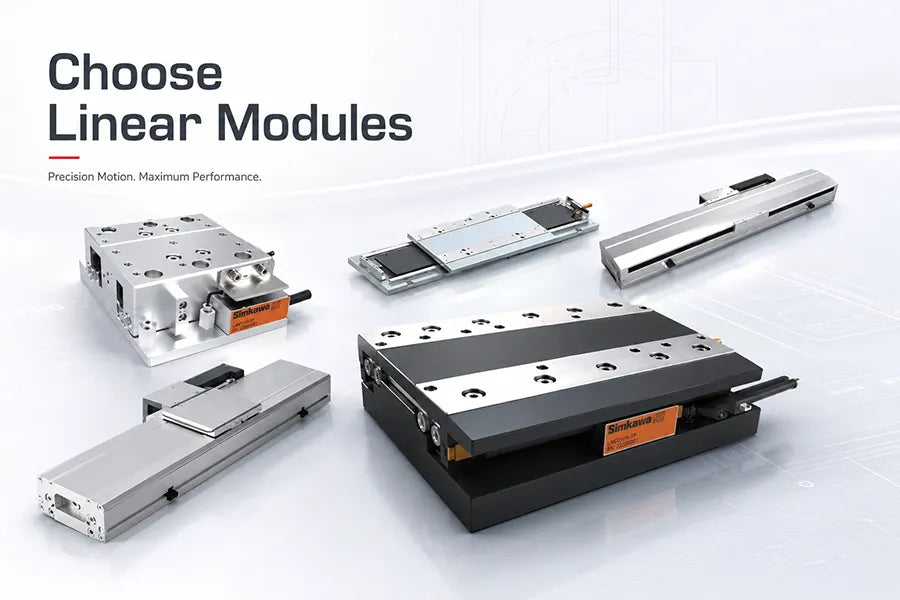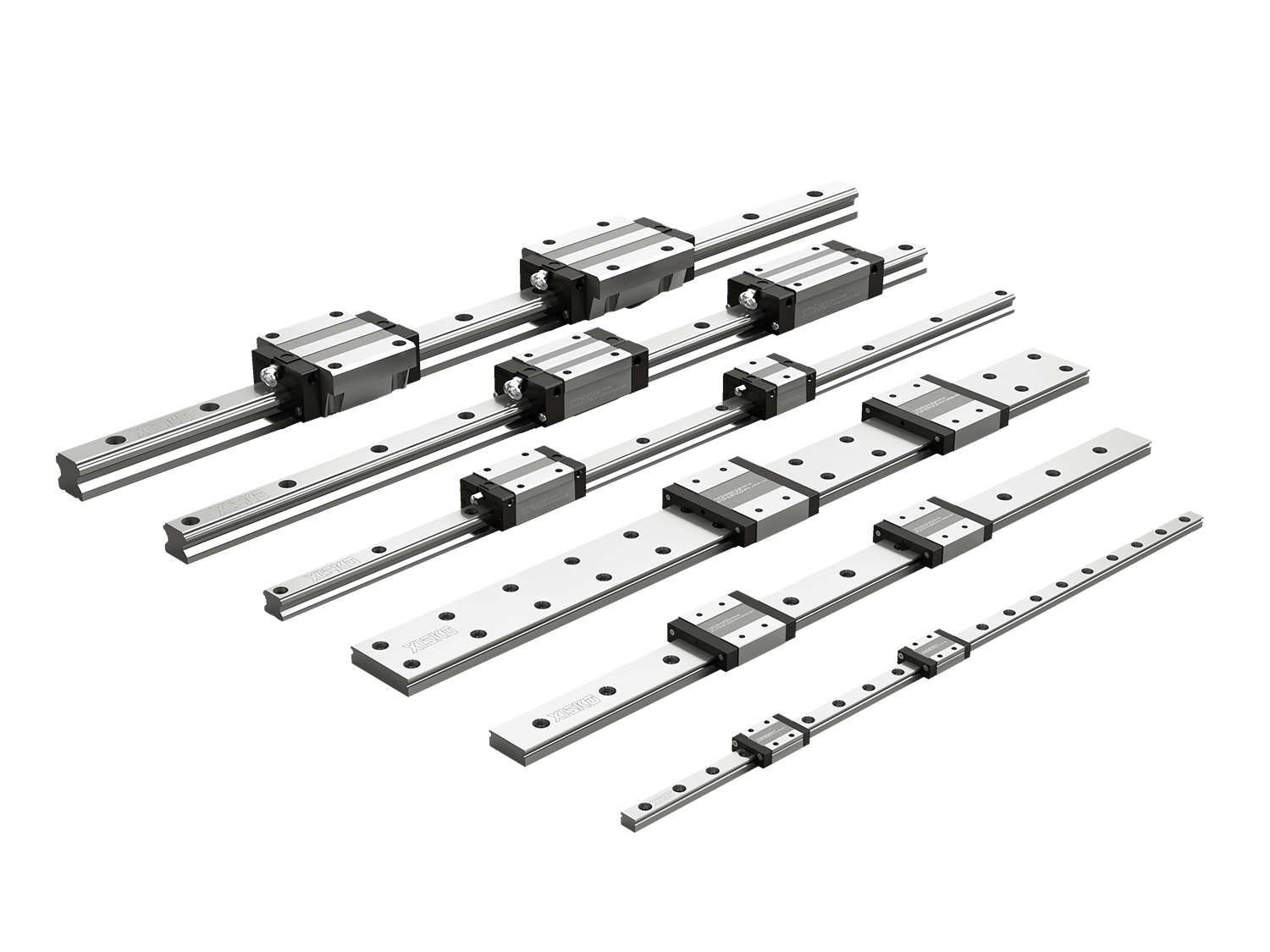
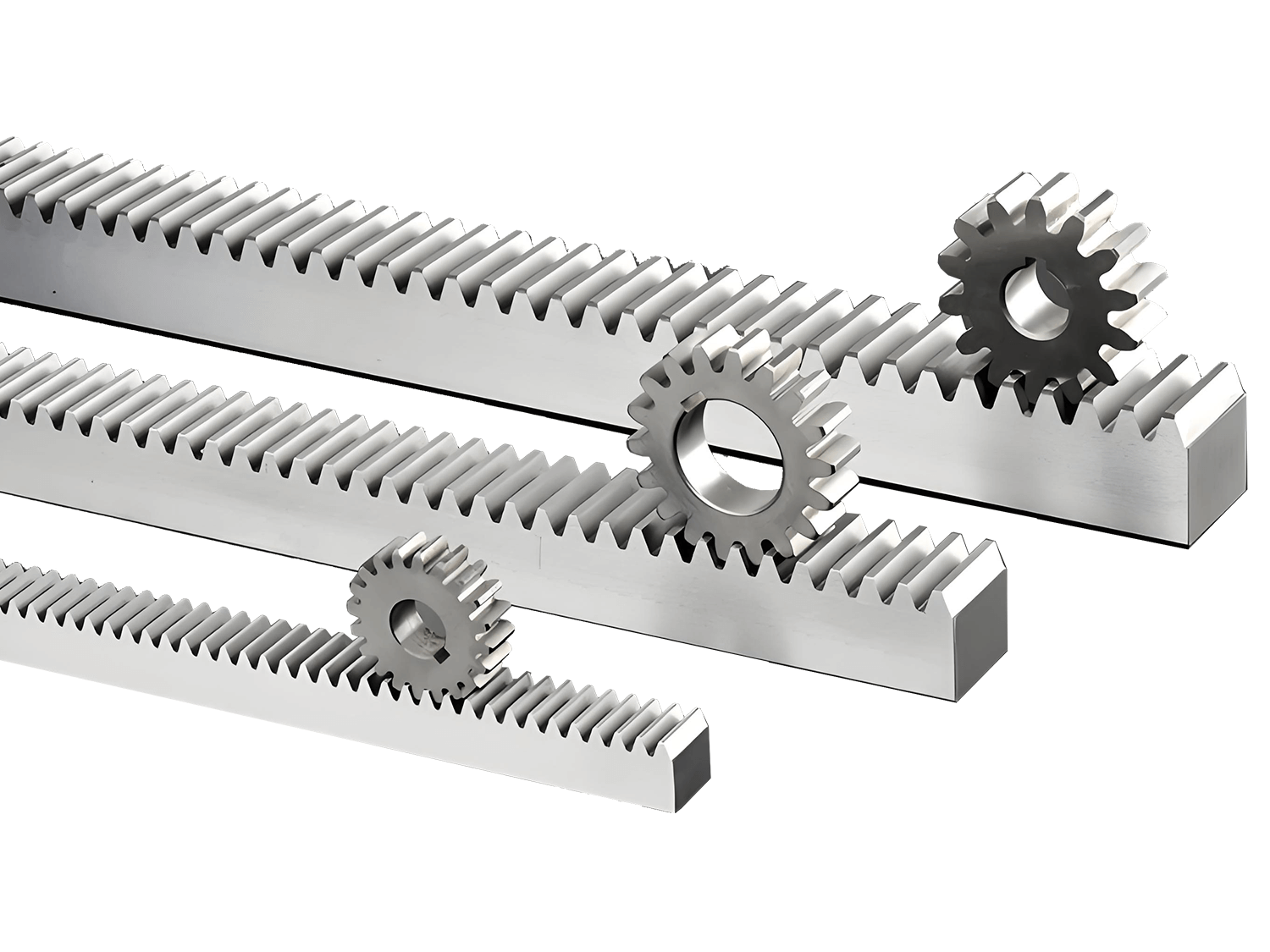

Lead screws utilize the helical principle to convert rotational motion into linear motion. However, if you observe carefully, you'll notice a problem: ordinary screws are difficult to tighten.
But ball screw actuators in automated equipment can move at high speeds and achieve micron-level positioning. Why is this? The answer lies in what we'll discuss today.
1. What are the Problems with Ordinary Lead Screws?
Let's review the most primitive lead screw. Its structure is very simple: the screw and nut are in direct contact. During movement, the threaded surfaces constantly rub against each other, creating sliding friction. The result is low efficiency, high heat generation, rapid wear, and decreased accuracy. This structure is called a sliding lead screw, which will be discussed in detail later.
2. Revolutionary Improvement of Ball Screw Actuators
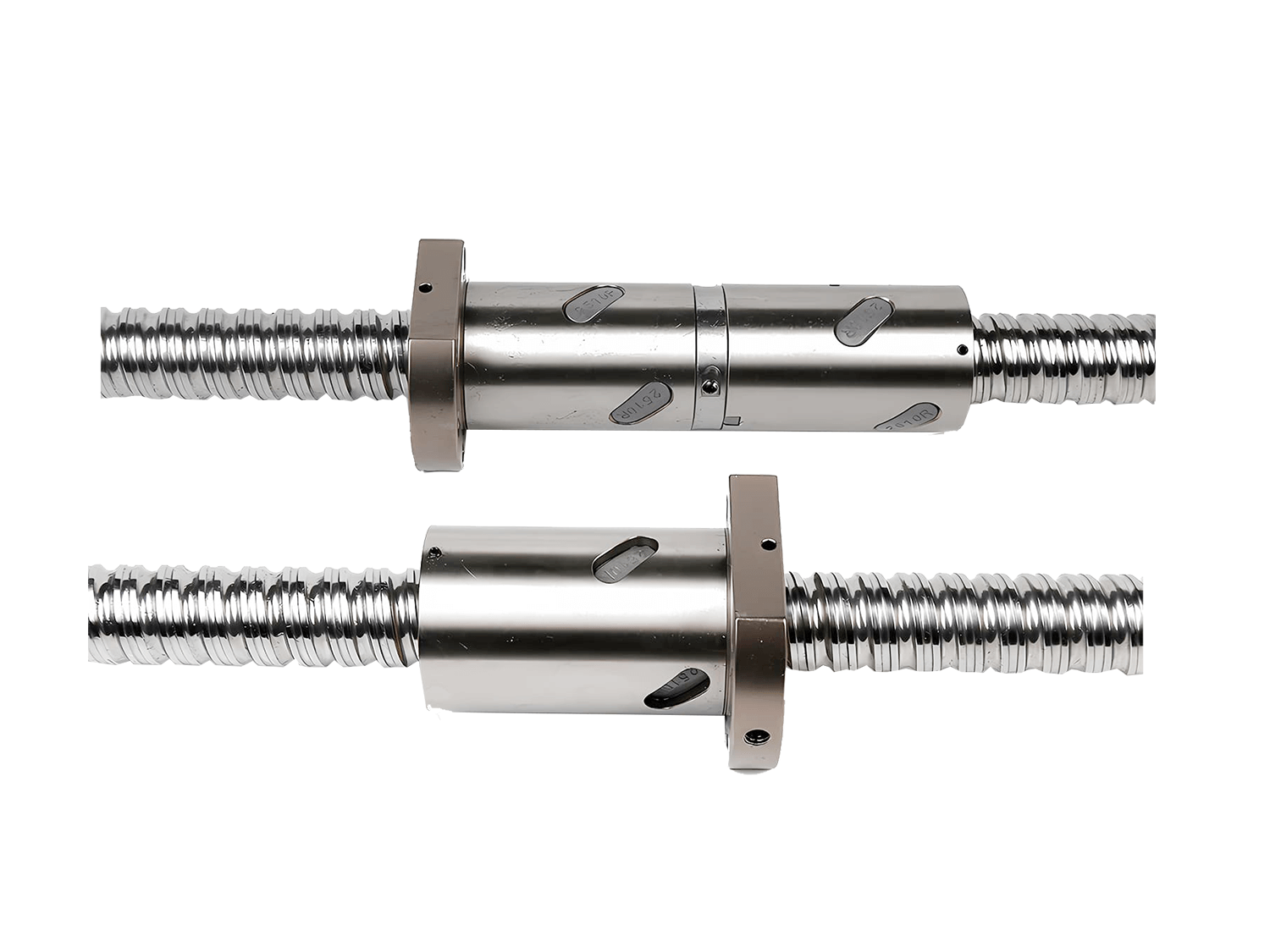
Engineers came up with a solution: since sliding friction results in significant losses, could we transform friction into rolling friction? So, a large number of steel balls are placed between the lead screw and the nut. The structure becomes lead screw, steel balls, and nut. At this point, the steel balls continuously roll instead of sliding due to friction. This is: a ball screw.
3. What Exactly do the Balls Do Inside?
Many people have a question when they first disassemble a ball screw actuator: shouldn't the steel balls roll out? Actually, the steel balls are constantly circulating. The movement process is: the lead screw rotates, the steel balls roll, enter the return container, return to the starting point, and continue rolling, forming a closed loop. Like cars on a highway, they always run in circles. Therefore, the steel balls won't fall out or get lost.
4. What are the Components of a Ball Screw?
A complete ball screw typically includes: a lead screw shaft, machined with precision raceways for the steel balls to roll inside; a nut, which also has an internal raceway structure; steel balls, which actually bear the force transmission task; a return container, which allows the steel balls to circulate; and a support shaft, which bears the axial load.
5. Why are Ball Screws so Efficient?
As mentioned earlier, equipment losses mainly come from friction. Sliding screws involve significant sliding friction, resulting in an efficiency typically of 20%–50%. Ball screw actuators, on the other hand, primarily rely on rolling friction, achieving an efficiency of 90%–98%—a dramatic difference.
For example, to achieve the same 1000N thrust, a conventional lead screw might require a larger driving torque, while a ball screw actuator requires significantly less. Therefore, modern automated equipment almost universally utilizes ball screws.
6. Why Do High-Precision Equipment Favor Ball Screws?
Take familiar equipment as an example: tensile testing machines require precise displacement and stable speed. These devices share the characteristic of extremely low positional error. Ball screws offer low friction, minimal creep, and excellent repeatability, making them particularly suitable for precision instruments.
7. Another Significant Advantage of Ball Screws
Besides high efficiency, they also boast a long lifespan. The reason is simple: the steel balls roll, rather than grinding, significantly reducing wear. High-quality ball screws can last for thousands or even tens of thousands of kilometers, which is why CNC machine tools widely use them.

8. Do Ball Screws Have Any Disadvantages?
Yes, and they are quite significant.
- High price and extremely high manufacturing precision requirements, resulting in costs far exceeding those of ordinary ball screw actuators.
- Susceptible to contamination from dust, which can easily damage the raceway.
- Requires lubrication; insufficient lubrication leads to a rapid decrease in lifespan.
- Backlash can occur, which will be addressed later with preload structures. Therefore, ball screws are not a panacea.
9. Empirical Rules in Equipment Selection
Many engineers, when first encountering ball screws, often struggle with brand selection. The first step should be to determine the type of equipment required.
For high-precision positioning, prioritize ball screws; for high-frequency operation, prioritize ball screws; for long lifespan requirements, prioritize ball screws; for extremely low cost, consider sliding ball screws. Therefore, ball screws have become the mainstream standard configuration for automated equipment.
10. Understanding Ball Screws in One Sentence
In short, a ball screw actuator essentially adds circulating balls between the screw and nut, transforming sliding friction into rolling friction. This simple change allows modern automated equipment to achieve the three core capabilities of high efficiency, high precision, and long lifespan.
Summary
Today we've grasped the core secret of ball screw actuators: it's not that the screw itself has become more powerful, but rather that the steel balls bear the responsibility of transmitting force. From a mechanical perspective, the greatest contribution of ball screws is transforming sliding friction into rolling friction. This is the fundamental source of their high efficiency, high precision, and long lifespan.