
Linear modules are core components in automated equipment, enabling precise linear motion. Their correct selection directly impacts equipment performance, stability, and cost-effectiveness. The selection process requires comprehensive consideration of multiple technical parameters, including load, stroke, accuracy, speed, configuration, and environmental requirements.
1. Determining Core Performance Parameters
The first step in selection is to clarify the core requirements of the application scenario, which typically include load, stroke, accuracy, and speed.
1.1 Load Capacity
Load refers to the total weight of the workpiece, fixture, or other components that the linear module needs to support. When selecting a module, it is essential to ensure that the rated load is greater than the actual load, and it is recommended to allow for a certain safety margin. Insufficient load can lead to premature wear, decreased accuracy, or even damage to the module.
1.2 Effective Stroke
Stroke refers to the maximum distance the slide block can move from one end to the other. The required stroke length must be determined based on the equipment layout and process requirements, and a module model with a stroke equal to or greater than this must be selected.
1.3 Motion Accuracy and Speed
Accuracy usually refers to repeatability, and speed refers to the maximum operating speed. The required maximum operating speed must be determined based on the process cycle time. 4. Operating Environment: Standard series modules can be selected for general environments. For cleanroom applications (such as semiconductor and panel industries), cleanroom series modules with dustproof design are required. For corrosive or humid environments, the module's protection level and materials must be considered.
2. Selecting Drive and Structure Type
Determine the module's drive method and structure based on accuracy, speed, load, and cost requirements.
2.1 Drive Method
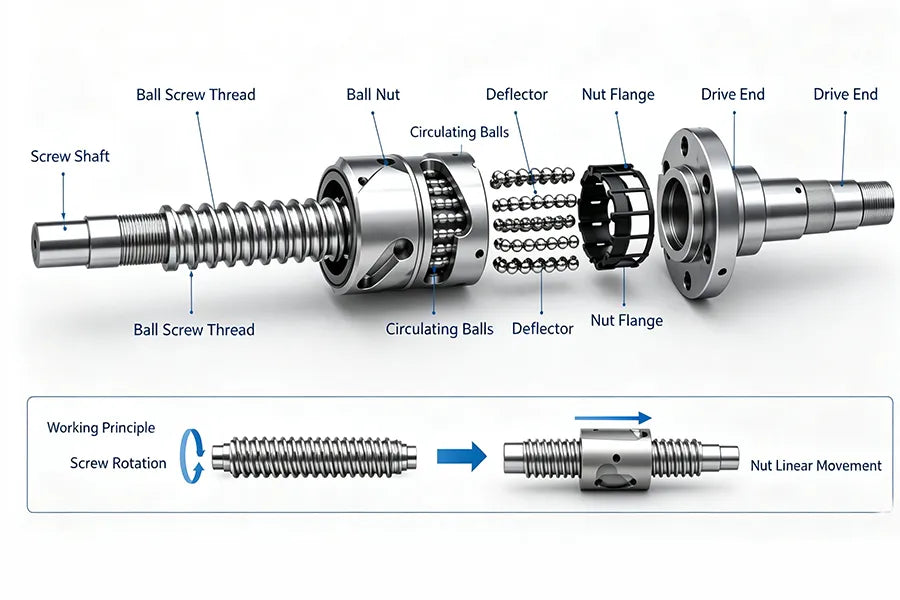
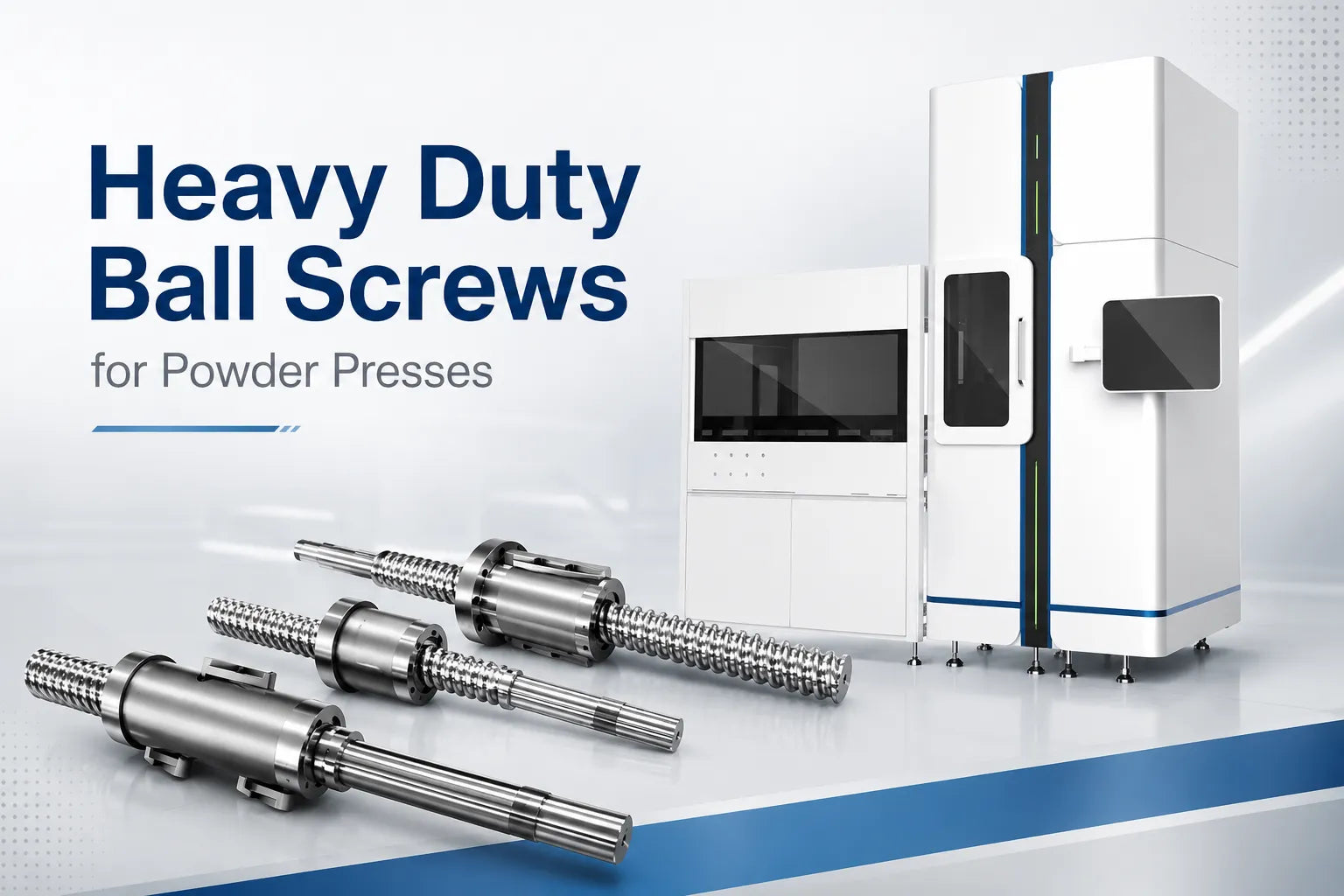
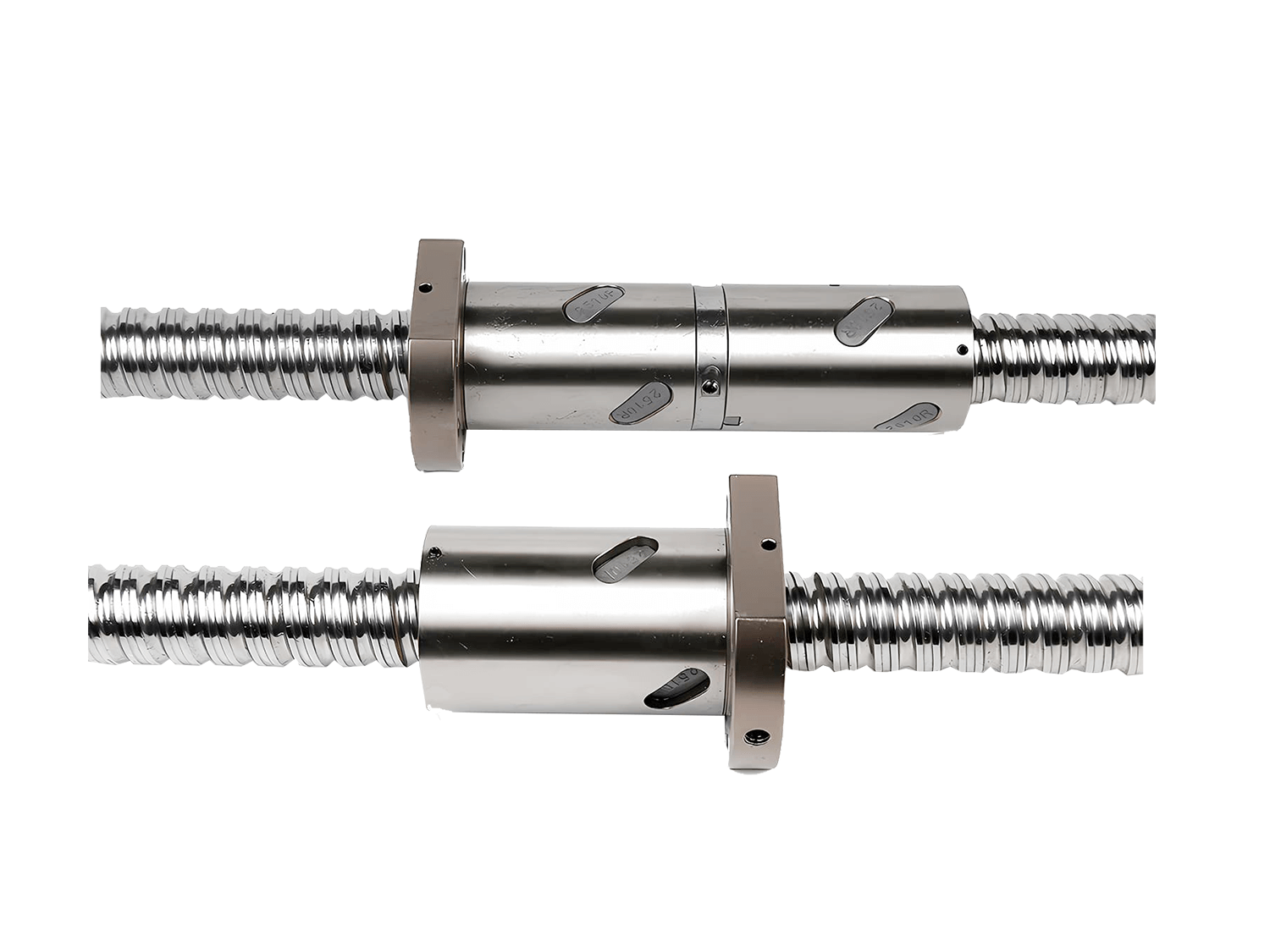
Ball Screw Drive
High precision (up to micrometer level), excellent rigidity, and large thrust; suitable for high-precision, high-load, and medium-to-high-speed applications.
Synchronous Belt Drive
High speed, long stroke, and relatively low cost; suitable for applications requiring fast, long-distance movement but not high absolute precision.
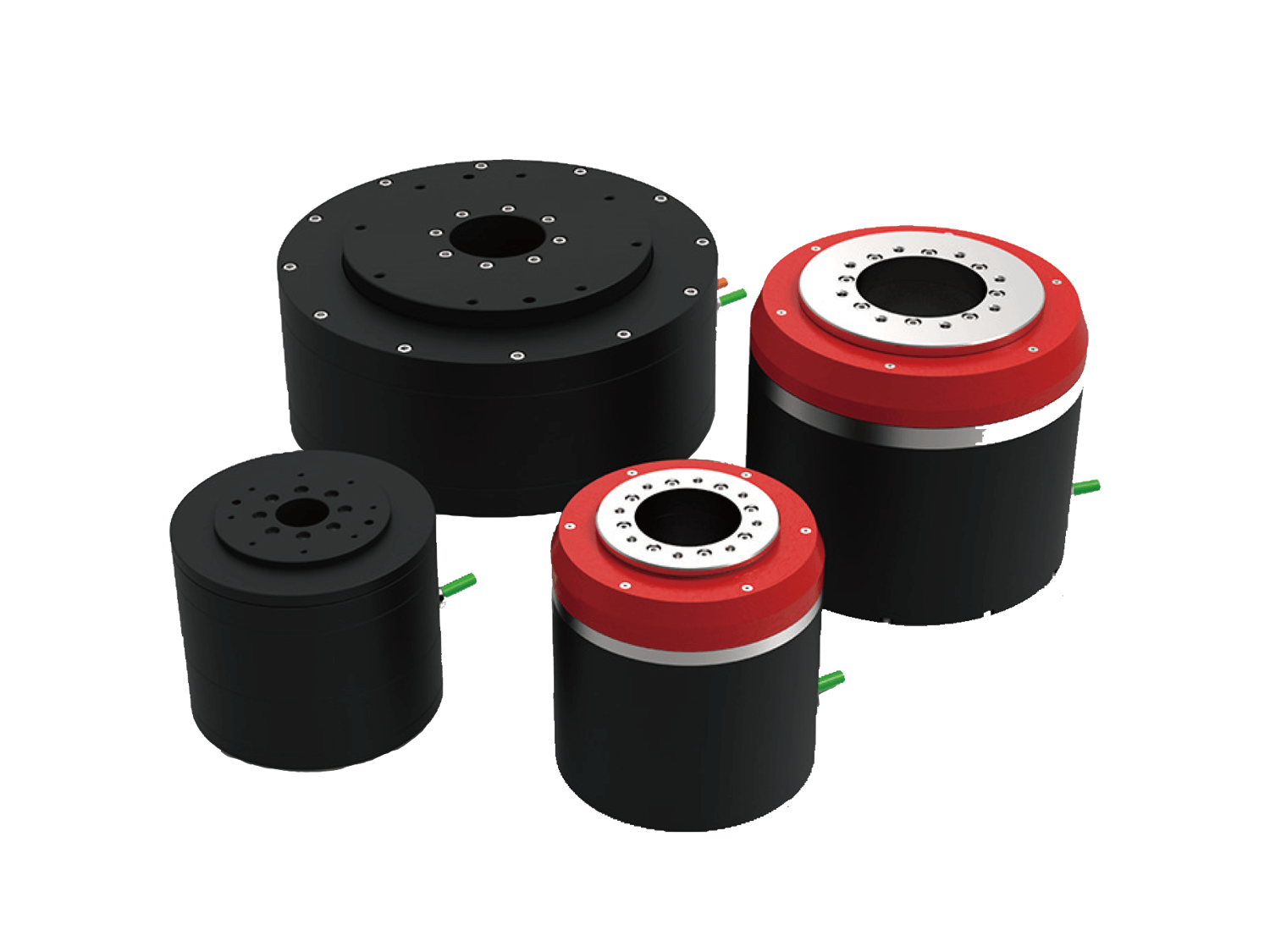
Linear Motor Drive
Extremely high speed and precision, contactless transmission, and low maintenance requirements; suitable for ultra-high precision and ultra-high-speed cutting-edge applications.
2.2 Structure
Common types include slide table type and base type. Slide table type has a compact structure and is easy to install; base type has stronger rigidity and is suitable for cantilever loads or scenarios with extremely high stability requirements. Selection must be based on the mechanical structure design.
3. Other Key Considerations
3.1 Drive System Matching
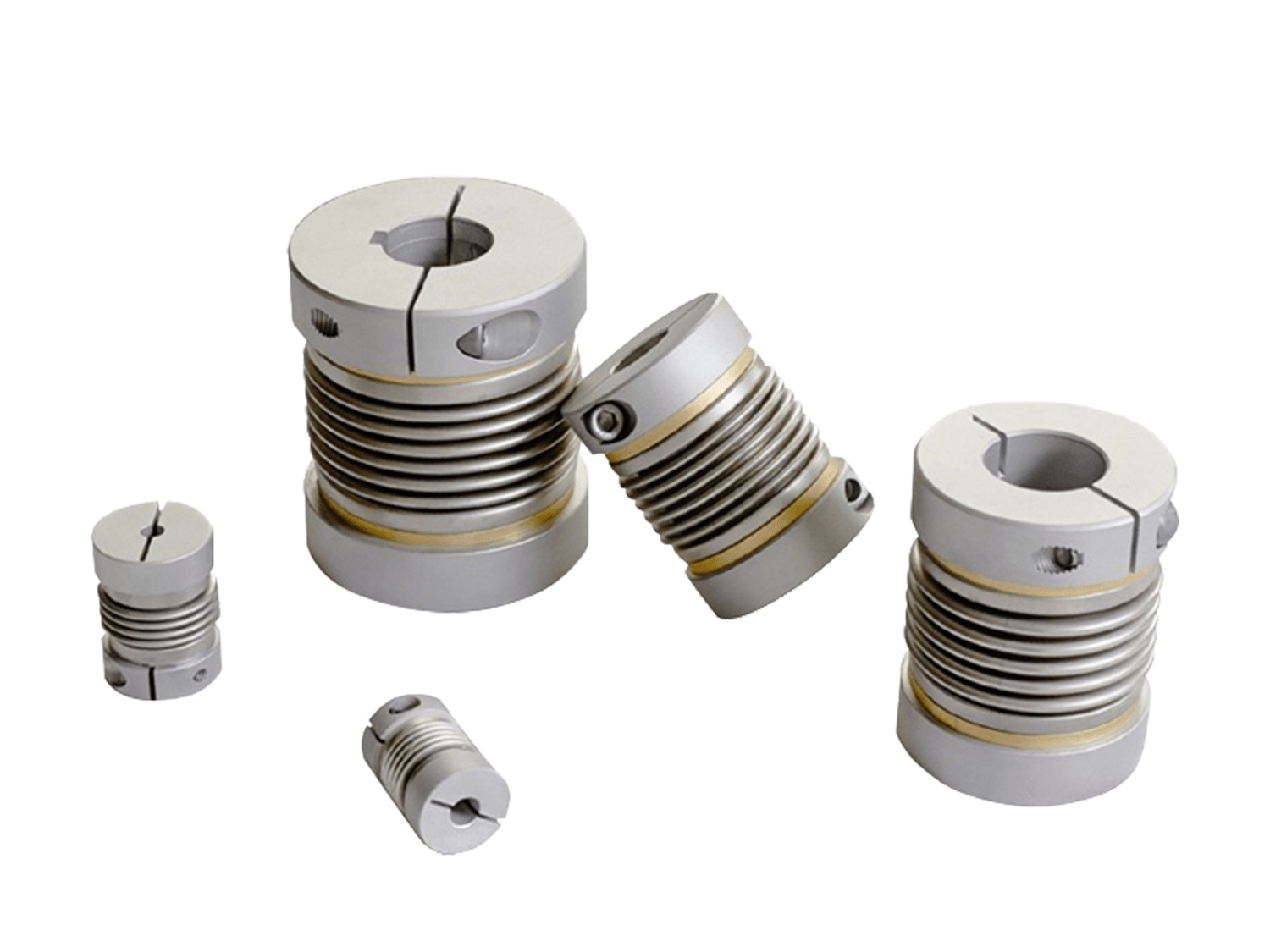
Calculate the required thrust and power based on load and speed, and select a stepper motor, servo motor, or linear motor.
3.2 Structural Design and Rigidity Verification
Determine the module type (single-axis basic motion or multi-axis combination) and verify the deformation (deflection) under load to ensure accuracy requirements are met.
3.3 Protection and Lifespan Estimation
Select the sealing design or material based on the environment, and consider the lubrication method (manual grease injection or automatic lubrication system).
4. Specifications of Simkawa Linear Modules
4.1 Module Width (Body Width W)
Mainstream Specifications: 40/50/60/80/100/120/135/170mm. Larger widths result in higher rigidity, load capacity, and allowable torque. Lightweight small parts: 40/50mm; medium load: 60/80mm; heavy load: 100mm and above.
4.2 Effective Stroke
Actual travel distance, with buffer margins reserved at both ends as needed; for long strokes, prioritize high-lead lead screws and reinforced aluminum profiles; for strokes exceeding 1500mm, consider lead screw sag and add support brackets.
4.3 Overall Module Length
Stroke + motor mounting positions at both ends + buffer blocks, used for installation space verification.
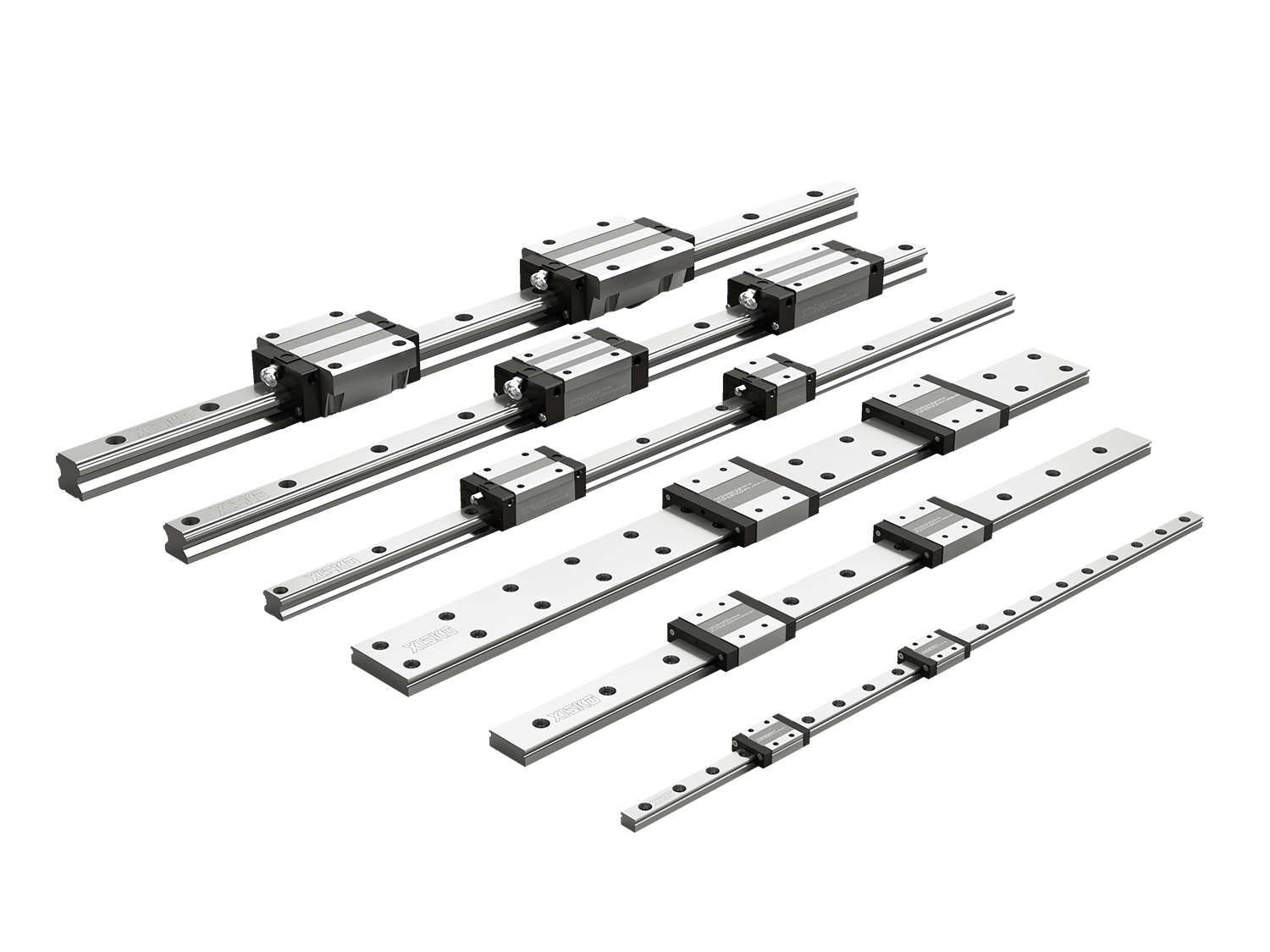
4.4 Guide Rail Type
- Embedded linear guide rail (mini/medium-sized modules, small size);
- External dual linear guide rail (heavy load, high rigidity);
- Round shaft guide rod (low cost, light load, low precision).
Summary
Selecting a linear module is a systematic engineering decision-making process that requires rigorous consideration of parameters related to load, speed, accuracy, environment, structure, and drive. Simkawa linear motor modules, with their advantages of ultra-long stroke, ultra-high speed, ultra-high precision, ultra-heavy load capacity, and smooth speed, have been widely used and recognized in various automation equipment and precision measurement fields.