
In applications such as presses, injection molding machines, metal forming equipment, large machine tools, and automated assembly systems, linear actuators must do more than simply move between positions; they often need to withstand high axial loads, continuous cycling, shock loads, and frequent start-stop and reversing operations.
1. What is a roller screw actuator?
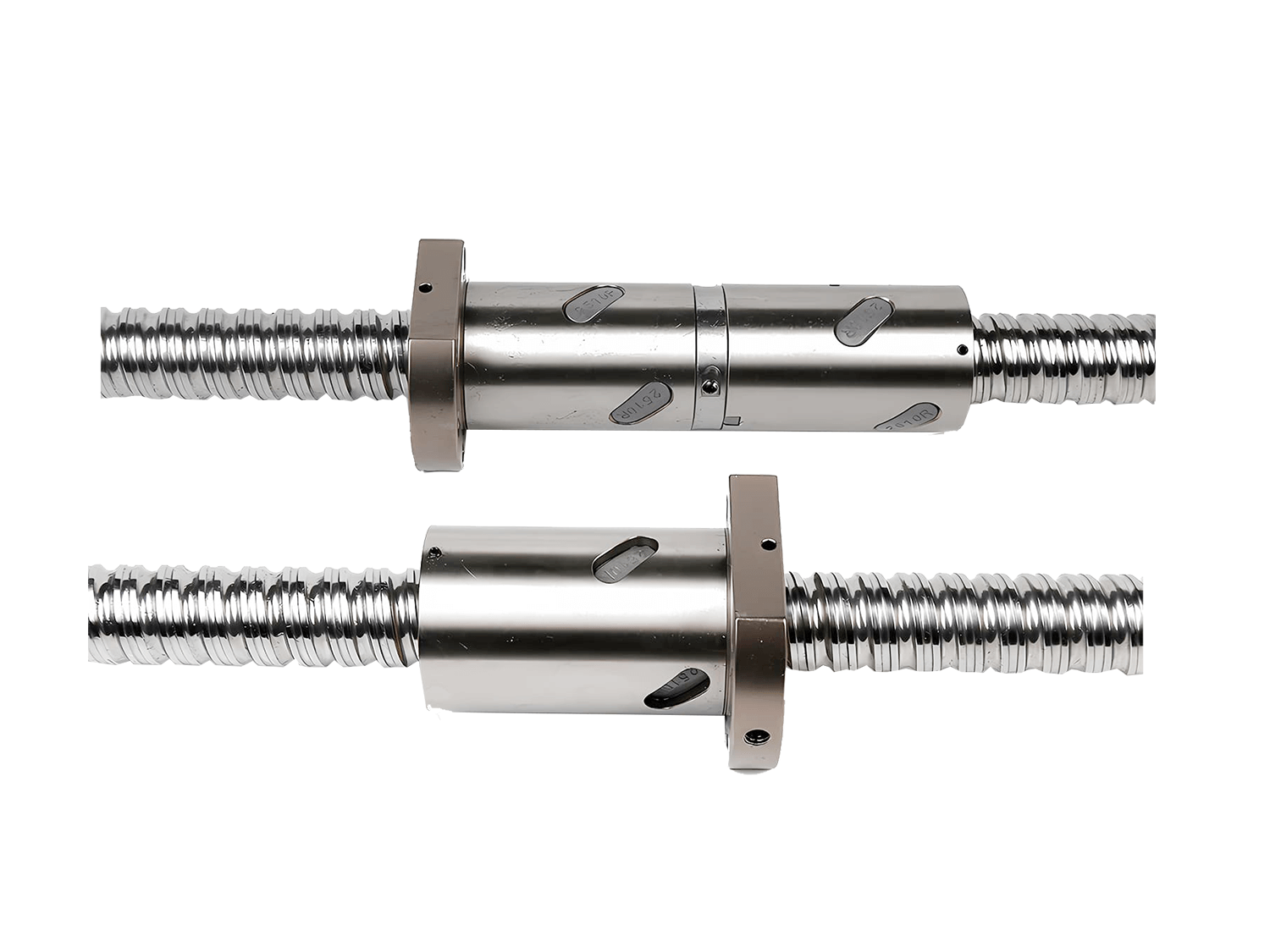
A roller screw actuator typically consists of the following main components:
- Roller screw assembly
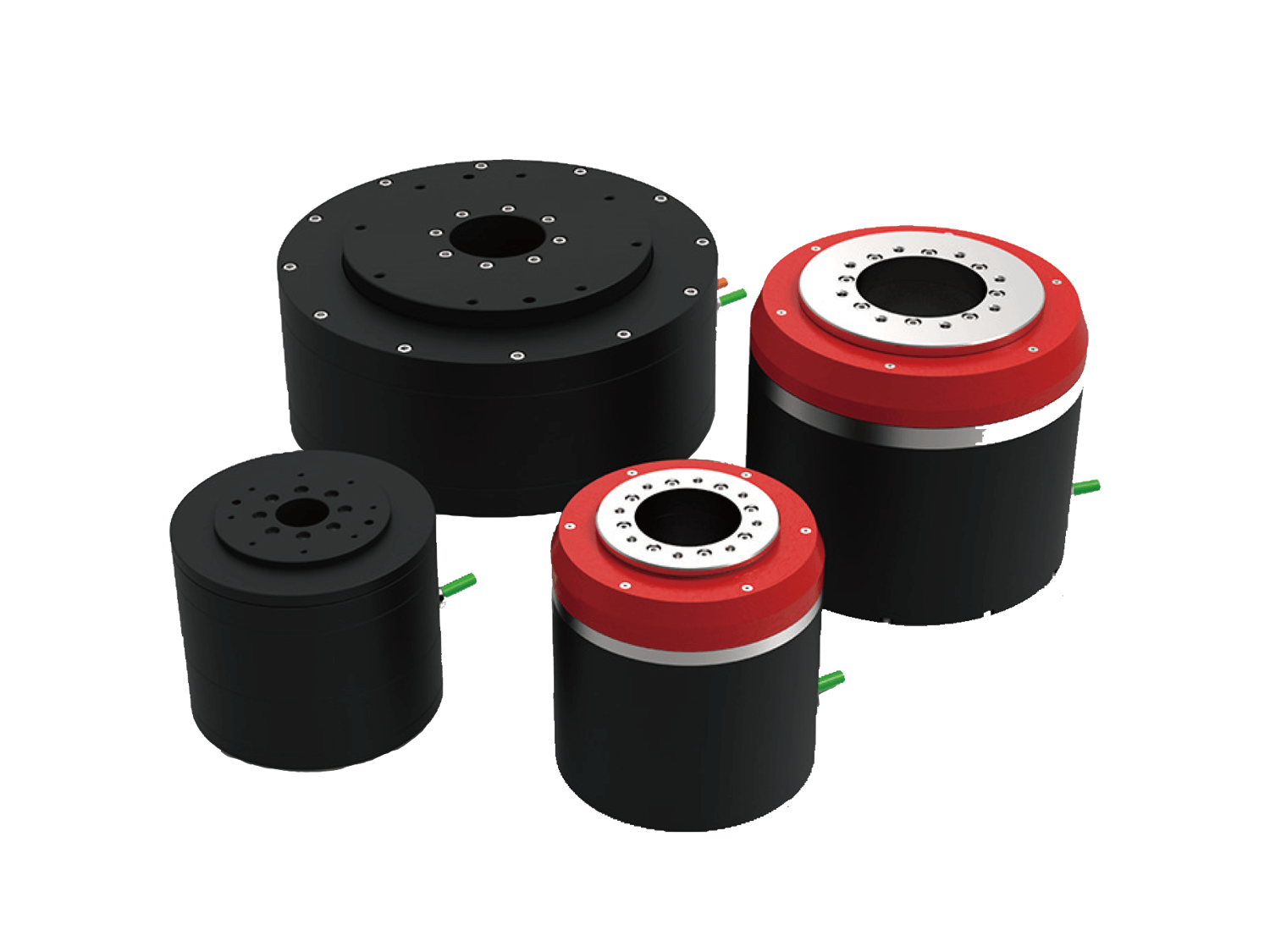
- Servo motor
- Bearing support assembly
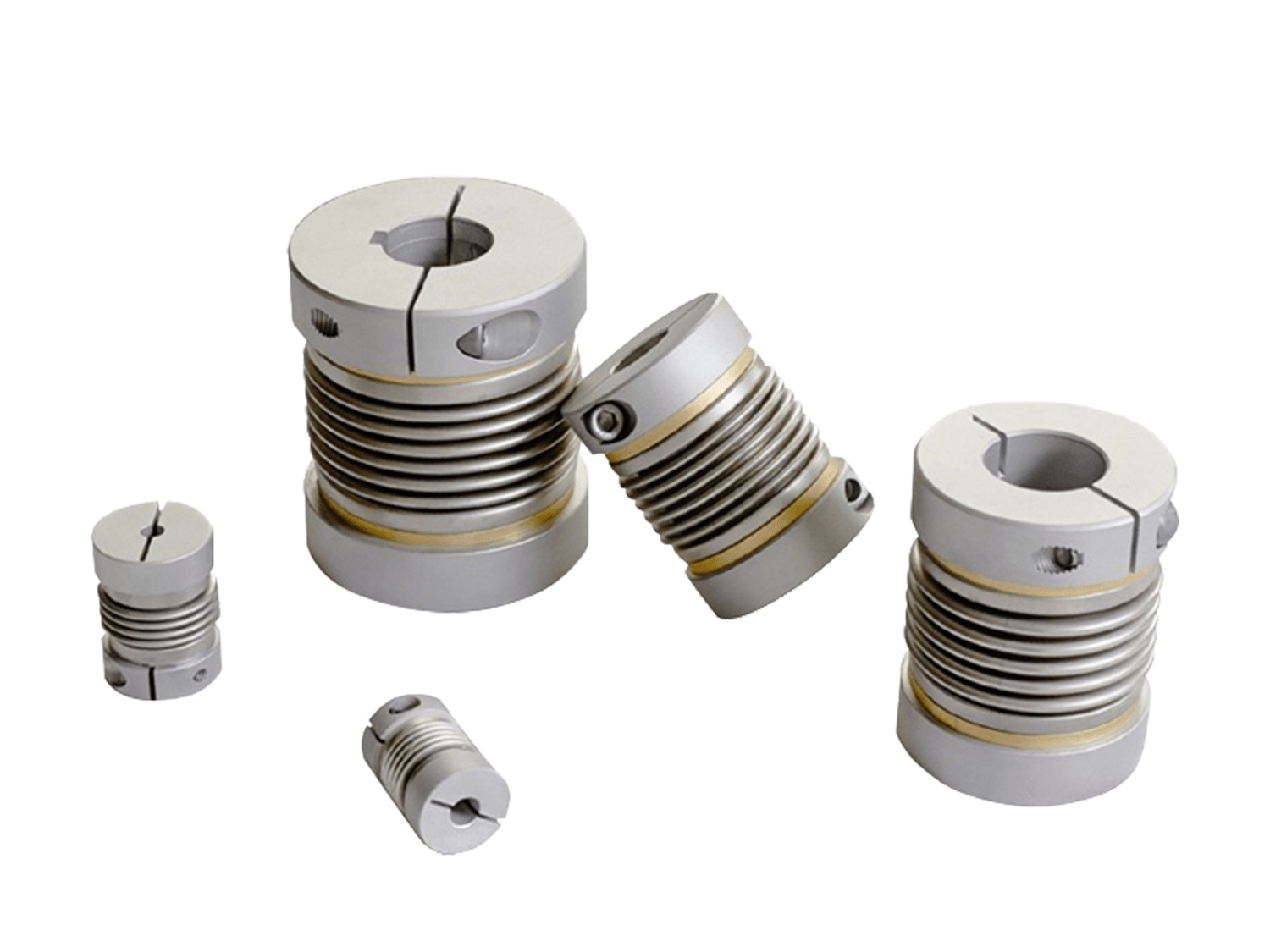
- Coupling or synchronous transmission mechanism
- Actuator housing
- Lubrication and sealing system
- Feedback elements (e.g., encoders, limit switches)
Among these, the roller screw assembly is the core component that enables the actuator to deliver high thrust output.
2. Why are roller screw actuators suitable for heavy-duty applications?
2.1 Higher axial load capacity
When selecting an actuator for heavy-duty equipment, thrust is usually the primary consideration.
While ball screws transmit loads through point contact between steel balls and raceways, roller screws utilize multiple threaded rollers that make simultaneous contact with both the screw shaft and the nut.
This means that, within a similar installation footprint, roller screws create a larger effective load-bearing contact area, resulting in superior static and dynamic load capacities.
Roller screw actuators offer distinct advantages in applications requiring thrust forces of tens or even hundreds of kilonewtons, such as large-scale press-fitting equipment, metal stamping machinery, and injection molding systems.
For instance, Bosch Rexroth’s heavy-duty electric cylinders utilize a planetary roller screw mechanism; their heavy-duty series can achieve axial forces of up to approximately 250 kN, demonstrating the proven application of roller screws in high-thrust electric actuation systems.
2.2 High power density
Modern automation equipment often demands a combination of higher thrust and a smaller installation footprint.
Relying solely on increasing the screw diameter to boost load capacity would lead to a rapid increase in the actuator's size and weight.
By maximizing effective contact area, roller screws achieve high axial load capacity within a compact structure, thereby delivering high power density.
Some high-load roller screw series are even specifically designed to serve as electric replacements for traditional hydraulic actuators.
2.3 Higher rigidity for improved positioning stability under heavy loads
For heavy-duty actuators, merely being able to "generate the required force" is insufficient.
During processes such as press-fitting, riveting, forming, and precision positioning, insufficient axial rigidity in the drive mechanism can lead to significant elastic deformation as the load increases. This compromises positioning accuracy, press-fit depth, repeatability, and force control stability. Roller screws feature multiple contact zones that simultaneously bear the load, resulting in superior axial rigidity.
2.4 Suitable for high-cycle and continuous operation
Heavy-duty equipment often operates under high loads with very frequent duty cycles.
For example, an automated press-fit production line may repeatedly execute the following sequence over long periods:
Rapid advance → Pressing → Dwell (holding pressure) → Rapid return
When an actuator completes thousands or even tens of thousands of cycles daily, the fatigue life of the screw assembly becomes a critical performance indicator.
Roller screws possess multiple load-bearing contact surfaces, and their planetary roller design eliminates the need for the recirculation mechanisms found in traditional rolling-element screws. Consequently, they maintain high reliability under conditions involving high loads and high-frequency cycling.
2.5. Enhanced ability to withstand shock loads
Loads on heavy-duty equipment are often variable rather than constant.
Examples include:
- Peak loads generated during stamping
- Mechanical collisions during workpiece assembly
- Vibration and shock affecting steel processing equipment
- Impact forces upon mold closure
- Rapid starting and stopping of the load
These conditions subject the screw to significant instantaneous axial loads.
The robust threaded roller structure of roller screws provides excellent shock resistance, making them better suited than standard precision ball screws for industrial environments characterized by high-impact loads.
3. Typical heavy-duty applications for roller screw actuators
3.1 Electric presses
Electric presses represent one of the most typical applications for roller screw actuators.
By controlling the roller screw with a servo motor, precise control can be achieved over:
- Press-fit position
- Press-fit speed
- Maximum thrust force
- Dwell time
- Return speed
Compared to traditional hydraulic presses, servo-electric actuation systems offer easier programmability and simpler integration with pressure sensors, encoders, and PLCs to form closed-loop control systems.
3.2 Metal Forming Equipment
In the metalworking industry, roller screw actuators can be used for processes such as stamping, bending, deep drawing, riveting, press-fitting, and straightening. These processes typically require high instantaneous thrust alongside precise control of the actuator's position.
Combining a servo motor with a roller screw allows for the configuration of specific speed-position-thrust profiles based on the workpiece, thereby enhancing equipment flexibility. Bosch Rexroth’s heavy-duty electric cylinders are similarly applied to processes including press-fitting, deep drawing, bending, punching, riveting, and straightening.
3.3 Large Machine Tools
The worktables, spindle assemblies, and machining mechanisms of large machine tools are characterized by: large moving masses, high cutting forces, and stringent requirements for rigidity and positioning accuracy.
Roller screws are a viable alternative when standard ball screws cannot meet load and service life requirements.
Their high-rigidity drive structure helps minimize the impact of load fluctuations on motion accuracy, making roller screws ideal for large machining centers, heavy-duty machine tools, and specialized processing equipment.
Summary
The core value of roller screw actuators lies not merely in delivering higher thrust, but in simultaneously achieving the following within a compact mechanical design:
High load capacity, high axial rigidity, high positioning accuracy, long service life, and reliable servo control.
Consequently, they are particularly well-suited for electric presses, injection molding machinery, metal forming equipment, large machine tools, steel processing equipment, and high-thrust industrial automation systems.