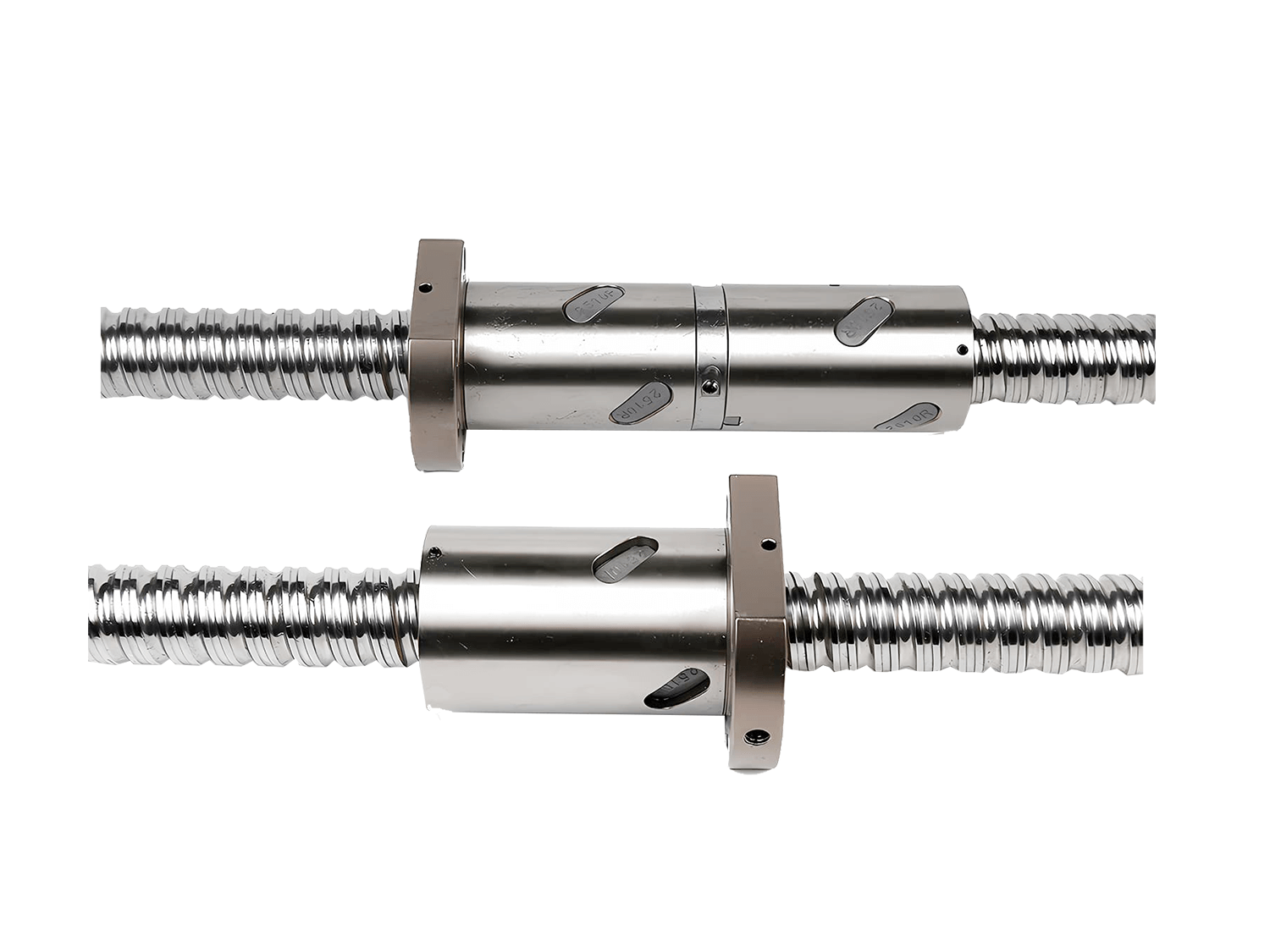

Preload is a crucial element determining accuracy and rigidity in linear motion systems. This article will focus on preloaded ball screws, explaining the core role, applicable scenarios, and selection principles of preload to help you make more informed choices in your designs.
1. What is Preloaded Ball Screws?
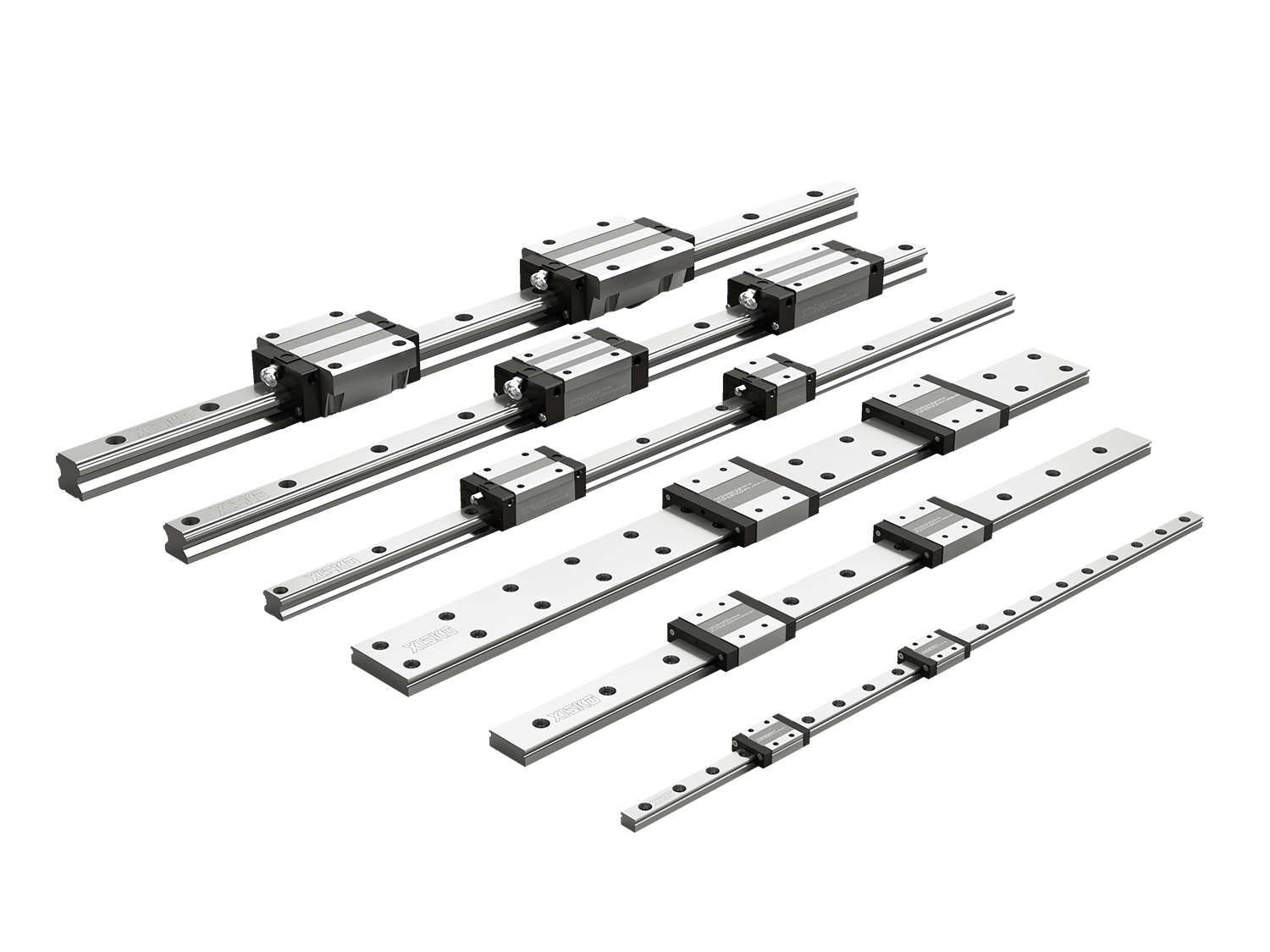
Preload eliminates or reduces the gap between the slider and the guide rail, making the system more stable, more rigid, and operates without backlash under load. This mechanism is widely used in linear transmission components such as roller guides, profile guides, ball screws, and splines.
For motion control systems that rely on high-precision positioning, preload is an indispensable design consideration.
Taking the Simkawa series linear guides as an example, preload is achieved by using balls with a clearance slightly larger than the raceway clearance. The difference in ball size determines the preload:
- K0: Near-zero preload, achieving smooth operation
- K1: Light preload, improving rigidity, reducing deformation, lowering vibration, balancing stiffness and smooth motion performance
- K2: High preload, achieving maximum rigidity under dynamic loads or vibration conditions, at the cost of increased friction, reduced service life, and decreased acceleration performance.
2. Why Do Ball Screws Need Preload?
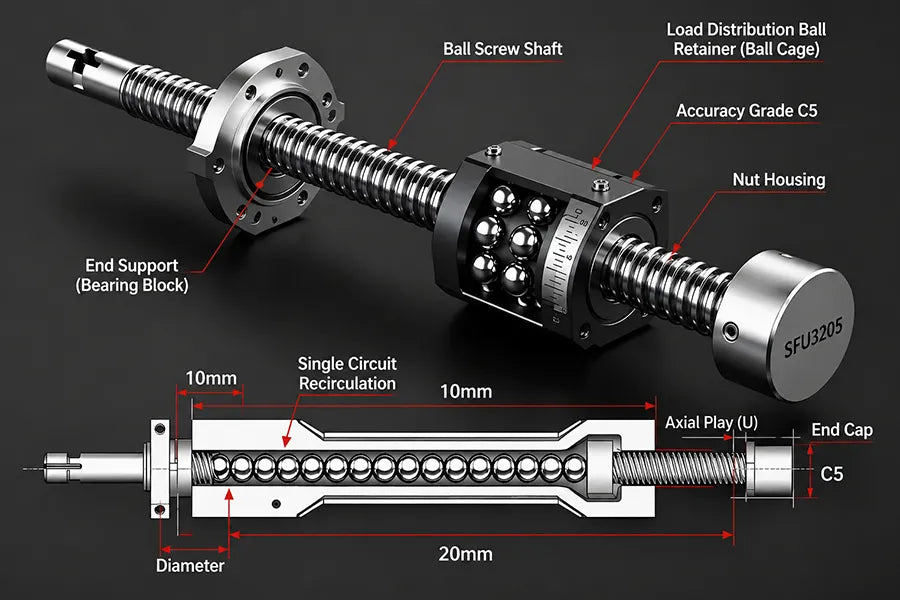
To ensure the reverse transmission accuracy and axial accuracy of the ball screw, the axial backlash of the ball screw nut must be eliminated. A common method for eliminating backlash is a double-nut structure, utilizing the relative axial displacement of the two nuts to make the balls in the two ball nuts adhere to two opposite sides of the thread raceway. When using this method to eliminate axial backlash, care should be taken not to exceed the preload force.
Excessive preload will increase the no-load force, thereby reducing the ball screw transmission efficiency and shortening its service life. By adjusting the axial position between the two nuts, the balls of the two nuts contact two different sides of the ball screw before bearing load, generating a certain preload to improve axial stiffness.

3. Common Preload Methods for Ball Screws
Common methods for eliminating backlash in double-nut ball screws include:
3.1 Double-Nut Shim Adjustment Type
Changing the thickness of the shims causes axial relative displacement between the inner and outer nuts.
Advantages and disadvantages of the double-nut shim adjustment type: This method can precisely adjust the preload, has a simple structure, high stiffness, and reliable operation, but adjustment is inconvenient, and cannot be adjusted immediately when the raceway wears.
3.2 Spring Automatic Adjustment Type
A spring is used to generate axial displacement between the two nuts.
Its advantage is that it can automatically compensate for the backlash caused by wear or elastic deformation during use, but its structure is complex and its axial stiffness is low, making it suitable for light-load applications.
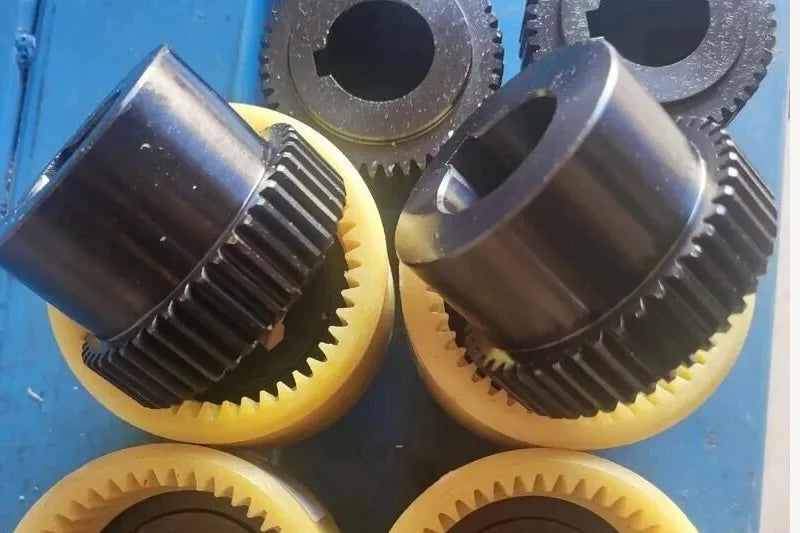
3.3 Tooth Difference Adjustment Type
Backlash is eliminated by adjusting the meshing angle between the outer teeth and the inner teeth on the nut end.
Advantages and disadvantages of double-nut toothed differential clearance adjustment structure: This clearance adjustment method allows for precise fine-tuning of the preload, is reliable, and easy to adjust when the raceway wears. However, its structure is complex and it is used in precision positioning systems requiring accurate preload.
3.4 Threaded Clearance Adjustment Type
Rotating the adjusting nut 1 causes nut 2 to undergo axial displacement.
Advantages and disadvantages of double-nut threaded clearance adjustment structure: This clearance adjustment method is simple in structure, easy to adjust, and can be adjusted at any time when the raceway wears, but the preload is not very accurate.
4. How to Choose the Most Suitable Preload Level?
The optimal preload for linear bearings or guideways mainly depends on:
4.1 Number and Parallelism of Guideways
The number of guideways used in a single shaft and the achievable parallelism between parallel guideways (in applicable scenarios). For example, in a dual-guideway module, paired sliders are used on the parallel guideways to provide four-point support, minimizing pitch, roll, and yaw. In such systems, increasing the preload will simultaneously increase the installation alignment requirements. If the alignment accuracy is insufficient, additional forces and torques will be generated, shortening the service life of the components.
4.2. Rigidity Requirements and Dynamic Characteristics of Application Conditions
For high-precision systems using ball screws or linear motors, a medium-to-high preload level is generally recommended to meet rigidity requirements.
Under high acceleration conditions, appropriate preload can prevent slippage of rolling elements and ensure transmission stability.
5. When Should Preload be Avoided or Reduced?
Excessive preload may be counterproductive in the following situations:
- Miniaturization or cost-sensitive designs: Increased friction due to preload will shorten lifespan, or a larger motor may be required.
- Heat-sensitive scenarios: If preload causes unacceptable temperature increases, preload should be reduced or eliminated.
- Situations with static loads: Preload may introduce stresses that cannot be completely offset by axial loads, requiring careful evaluation during the design phase.
6. Typical Application Scenarios of Preload
| Pretension Level | Applicable Scenarios | Application Examples |
| Light preload (approx. 2%) | Precision motion control for light to medium loads | Applications include cutting, printing, assembly, packaging, and medical imaging. |
| Medium to high preload (approximately 5%) | Systems requiring rigidity for medium to heavy loads | Motion systems for conveying large loads, such as those used in warehousing and machining. |
Light preloaded ball screw is also suitable for applications with continuous unidirectional load movement.
Summary
The selection of the preload level directly affects the system's rigidity, accuracy, lifespan, and cost. Whether it's a linear guide or a ball screw system, clearly defining the operating conditions and rationally selecting the preload level from the initial design stage is crucial to ensuring long-term stable system operation. For precise matching to your application scenario, please contact Simkawa engineers, and we will provide you with professional linear motion solutions.