
In the precision operations of the industrial sector, linear guideways play a vital role, like silent, unsung heroes. Their unique structure and superior performance ensure the precise operation of various mechanical equipment. Let's delve deeper into the secrets of linear guides.
1. Structural Features
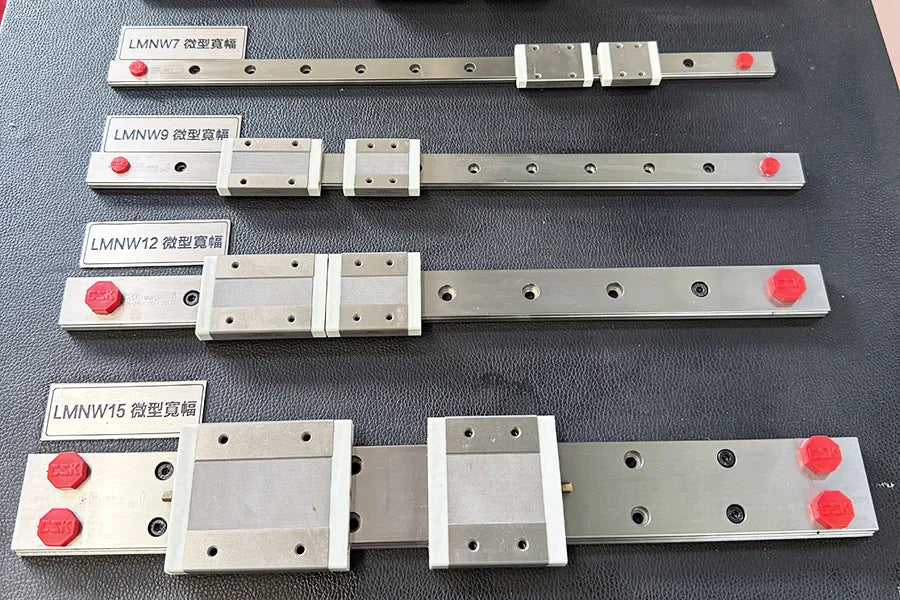
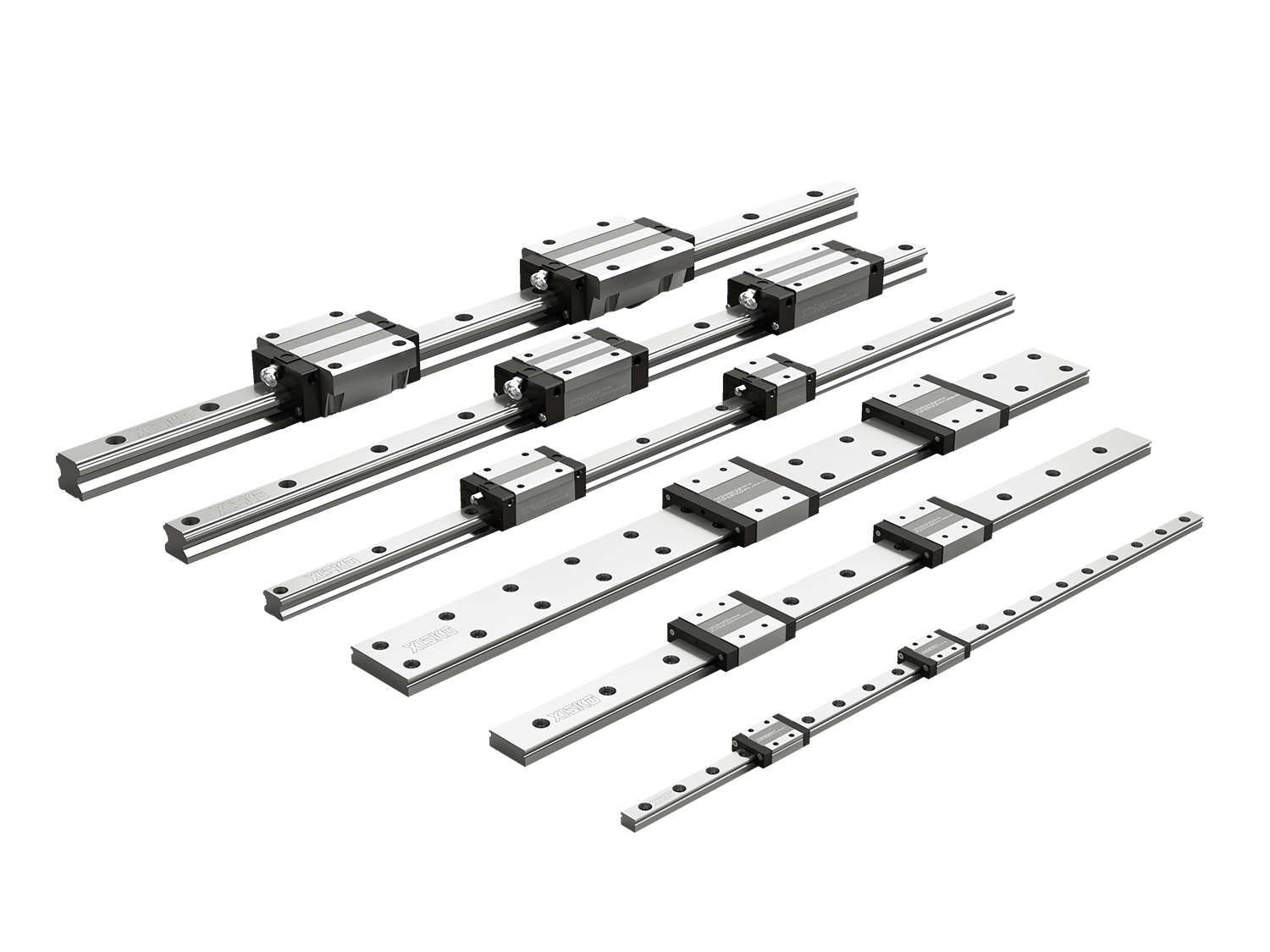
Linear guideways typically consist of a slider body, rolling bearings, and a preload device.
The slider body utilizes high-precision manufacturing processes to ensure excellent operating performance and a long service life.
The rolling bearing is the core component of the guide slider, and its accuracy and stability directly impact the performance of the entire system.
The preload device adjusts the gap between the slider and the guide rail for more precise positioning and motion control.
2. Advantages of Linear Guides
2.1 Superior Positioning Accuracy
Linear guideways offer extremely high positioning accuracy, a crucial feature for precision equipment. Linear guides utilize rolling or sliding components that move smoothly across the guide rail surface, achieving high-precision linear motion with extremely low friction, significantly reducing positioning errors and hysteresis. Especially in scenarios requiring micron or even submicron control, the accuracy and stability of the guide rail directly determine the reliability of the entire system. For example, optical alignment equipment or precision machining centers require consistent and reliably repeating the same path. Achieving this repeatability relies on the low wear and high consistency of the guide rail system.
2.2 High-rigidity Design
During operation, equipment is often subjected to varying loads in various directions, including cutting forces, acceleration and deceleration shock, and external disturbances. If the transmission system's structural rigidity is insufficient, the equipment will experience vibration and resonance, affecting machining accuracy and service life. Linear guideways achieve high load capacity and high rigidity through optimized rail cross-section design and uniformly distributed rolling elements. They maintain stable support even under high loads or high-speed motion, preventing deformation and ensuring the mechanical stability of the equipment.
When used in heavy-load or high-speed applications, such as high-performance CNC milling machines, optical inspection equipment, or in high-frequency vibration environments, the high-rigidity structure of linear guides effectively reduces accuracy fluctuations caused by deformation or resonance. Furthermore, their sophisticated preload adjustment mechanism prevents gap changes caused by shock loads, further enhancing overall system reliability.
2.3 Low Friction Enables Efficient and Energy-Saving Motion Control
Precision equipment often requires long periods of continuous operation. Using high-friction or unstable transmission methods significantly increases energy consumption and shortens lifespan. Linear guides, due to their rolling contact mechanism, offer significantly lower frictional resistance than sliding guides, making them particularly effective in movements such as starting, reversing, and micro-movement.
Low friction not only improves motion efficiency but also effectively reduces energy loss and system heat generation, helping to maintain thermal stability during long-term operation. Furthermore, due to low friction, linear guideways wear more slowly, extending maintenance cycles and service life, reducing maintenance costs and downtime. This advantage makes them more competitive in modern factories characterized by high automation, unmanned operation, and high energy efficiency.
2.4 Modularity and Diverse Configurations
It is crucial to note that, despite the current trend toward miniaturization and high speed in precision equipment, linear guides continue to perform exceptionally well. Some advanced guide models offer not only miniaturization but also high-density rolling elements, making them suitable for precision control tasks within confined spaces. Furthermore, advancements in material technology and manufacturing processes have resulted in more refined surface hardening treatments and improved lubrication systems for guide rails, further extending their operating life and environmental adaptability. High-quality linear guides, in particular, operate stably without compromising precision in cleanrooms, low temperatures, or high-vibration environments, ensuring the reliable operation of precision equipment.
3. Applications of Linear Guideways
3.1 CNC Machine Tools
Linear guideway slides are widely used in machine tools. In machining centers, CNC machine tools, and other equipment, linear guide slides are responsible for the precise movement of tools and worktables. Their high-precision positioning capabilities enable machine tools to produce a variety of complex shapes and high-precision components. For example, aircraft engine blades have complex shapes and demand extremely high precision. Only with the precise positioning and stable movement of linear guide slides can machine tools perform precise machining according to pre-set procedures, ensuring that the blades' quality and performance meet the stringent requirements of aircraft engines.
3.2 Automation Equipment
Linear guide slides are also indispensable key components in automation equipment. Handling robots and sorting equipment in automated production lines rely on linear guide slides to achieve precise linear motion. Take the automated sorting system in an e-commerce warehouse as an example. Goods need to be quickly and accurately transferred and sorted between different workstations. Linear guideways enable sorting robots to operate at high speed and stability along a pre-set track, accurately picking up and placing goods. Their rapid response and high precision significantly improve sorting efficiency and reduce labor costs.
3.3 Semiconductor Manufacturing
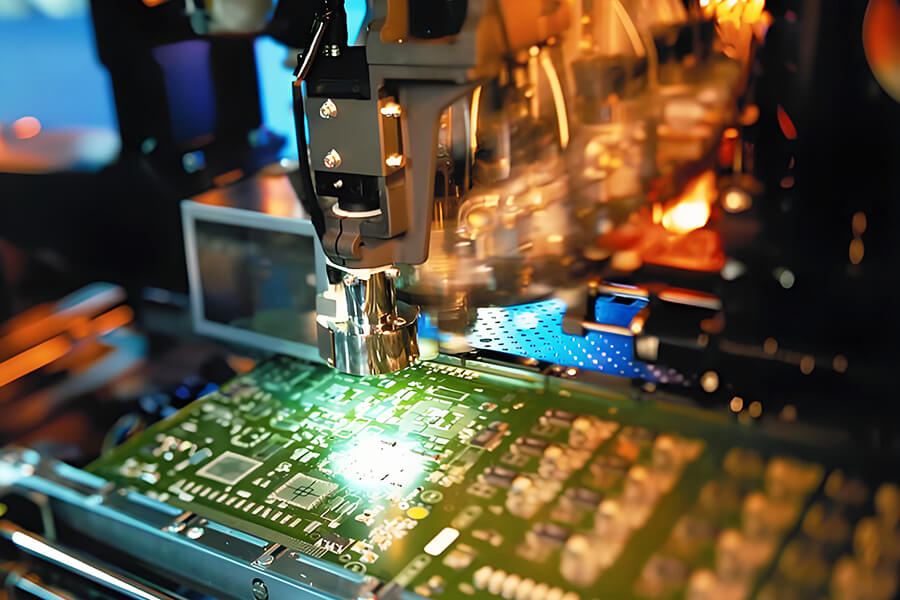
Linear guideways also play a crucial role in semiconductor manufacturing equipment, such as lithography machines and chip packaging equipment. Their high-precision motion ensures the precise dimensional accuracy and complex process implementation during chip manufacturing, driving the continuous advancement of the semiconductor industry.
Summary
The emergence and development of linear guideways has provided solid technical support for modern precision equipment. They are more than just a transmission component; they are the essential foundation for high-precision machining and intelligent manufacturing. From controlling minute movements to coordinating complex processes, from high-speed response to long-term stability, linear guides embody the ubiquitous combination of precision and reliability.